A record-breaking year for jobs growth
Australia is nearing the end of one of the most remarkable years ever for employment and jobs activity.
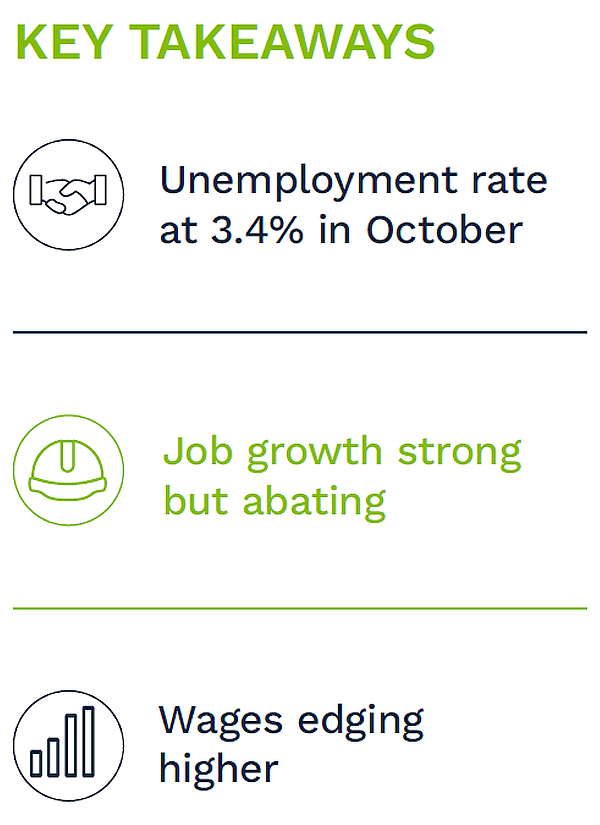
The demand for work in the wake of the easing of COVID restrictions has outstripped forecasts and set decade-long records.
While the pace of recruitment activity has eased off following recent interest rate hikes, it remains strong. There are severe shortages of labour in many sectors.
Wages have begun to move, and the passing of the federal government’s Industrial Relations legislation ensures that many sectors that have not enjoyed wage growth will have the means to bargain in 2023.
Annual inflation sits at 7.3% and the Reserve Bank has made it clear that further official interest rate increases will be needed to dampen activity.
Consumer confidence is weak – not surprising given rising costs of living and higher mortgage rates.
We can expect the jobs market to remain firm, although a general weakening across some sectors.
This report uncovers what’s happening across Australia, looking at how the workforce has been impacted, the challenges employers face in the current landscape and trends in national recruitment activity.