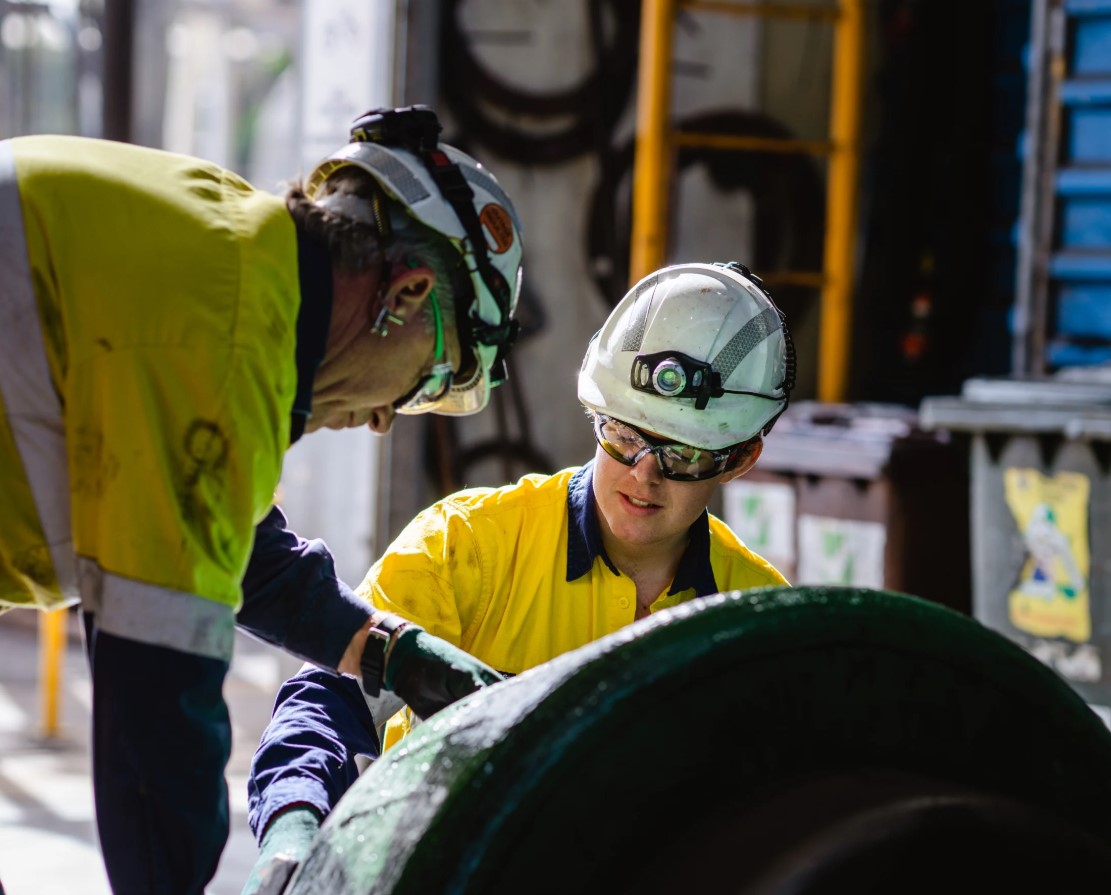
Shutdown work can be a great way to build experience and earn good income over short, intensive rosters.
But shutdowns move fast. The people who get the call-up are usually the ones who are “site-ready”:
- Available
- Reliable
- Safety-focused
- Able to meet site requirements quickly
Because rosters are locked and start dates are fixed, recruiters often fill shutdown roles from the people who can clear screening fastest. Getting your tickets, ID and availability sorted before the work comes up is what puts you at the front of that queue.
To search roles, start here: jobs.programmed.com.au
Key takeaways
- Shutdowns are short, high-intensity windows with strict onboarding and safety requirements.
- Being “site-ready” is what gets you the call-up (tickets, ID, availability, and attitude).
- Only get tickets that match the roles you’re targeting—job ads vary by site.
- A clear resume with tickets near the top improves your chances.
- Responding fast to screening steps matters as much as your experience when start dates are fixed.
What is shutdown work?
A shutdown (or outage) is a planned period where a site stops or reduces operations to complete maintenance, upgrades, inspections, or major work. Because production is paused, there is pressure to complete the scope and get back online, which is why the rosters are intense and the planning is tight.
Because the window is tight, shutdown work often involves:
- Long shifts and defined rosters
- Strong supervision and safety systems
- Clear daily priorities
- Strict compliance and access controls
Common shutdown roles (examples)
Depending on the site, roles may include:
- Trades Assistants (TAs)
- Mechanical Fitters
- Boilermakers/Welders
- Electricians
- Riggers/Scaffolders (where licensed/required)
- Forklift/telehandler operators (where licensed/required)
- Supervisors/leading hands
- Stores/logistics/materials handling
- Safety/admin support (on larger shutdowns)
What “site-ready” usually means
Each site is different, but typical requirements include:
- Proof of identity and right to work
- Relevant trade qualifications (if required)
- Relevant tickets/licences (if required)
- Site induction completion
- Medical/fitness and D&A (if required)
- PPE (as directed)
Tickets and licences: what employers often ask for (varies)
Only get tickets that match the roles you’re targeting. Examples you may see in job ads include:
- White Card (construction-related work)
- Working at Heights
- Confined Spaces
- Forklift licence (LF)
- EWP (where relevant)
- First Aid/CPR (sometimes useful)
- High Risk Work Licence classes (role dependent)
Important: don’t assume a ticket is required. Always read the job ad and confirm site requirements. Tickets cost money and time, so it is worth confirming demand before you invest in one that a particular site may not ask for.
How to prepare (simple steps)
1) Build a shutdown-ready resume
- Put tickets/licences near the top.
- List relevant shutdown/project experience with dates and sites (if possible).
- Keep it clear and easy to scan.
Use this template: Resume Template for Trades + Industrial Roles (AU Examples)
2) Be clear on availability and rosters
Recruiters move quickly on shutdowns, so being able to answer these straight away keeps you in the running:
- Are you available immediately? Shutdown windows are fixed, so a clear start date matters more than for ongoing roles.
- Can you do nights? Many shutdowns run around the clock, and night availability widens the roles you can be put forward for.
- Can you travel? A lot of shutdown work is at regional or remote sites, so knowing your limits up front avoids wasted steps.
3) Expect screening steps
Many shutdown roles require quick turnaround on:
- Phone screening. Keep your phone on and call back promptly, as recruiters often work through a list and move on if they can’t reach you.
- Document checks. Having your ID, tickets and licences ready to send means you don’t hold up your own application.
- Medical/D&A booking (if required). These can have limited appointment slots, so taking the first one offered helps you make the start date.
- Induction scheduling. Site inductions are a fixed gate to access, so book in as soon as you’re asked.
4) Show safety behaviours
Hiring managers value:
- Following directions. Shutdowns run to tight plans, and people who work to instructions keep the job safe and on schedule.
- Asking questions when unsure. Checking before acting is seen as a strength on site, not a weakness.
- Reporting hazards and near misses. Raising issues early is exactly the behaviour supervisors want in a high-intensity environment.
- Turning up on time, every shift. Reliability is what gets you asked back for the next shutdown.
What to pack and plan for (practical)
- Required PPE (as instructed). Bring what the site specifies so you are not turned away or sent to find gear on day one.
- Photo ID. You will need it for site access and induction, so keep it on you.
- Copies of tickets/licences (digital and printed if needed). Having both formats means you can produce them whatever the site’s system expects.
- A plan for fatigue and recovery (sleep, hydration, food). Long shifts over a short window are demanding, and managing rest is what keeps you safe and consistent across the roster.
- Transport and accommodation plan (if not provided). Confirm how you’ll get there and where you’ll stay before you accept, especially for remote sites.
Related pages
- Energy and resources
- Shutdowns and major outages (employer services)
- Shutdown workforce planning checklist
Related reading
Also see: How Labour Hire Works in Australia (Jobseekers): Pay, Rosters, What to Expect.
FAQ
Do I need shutdown experience to get shutdown work?
Not always. Many sites take new starters if you have the right attitude, tickets, and reliability. Being available, easy to reach and quick to complete screening can matter as much as a long shutdown history.
Do shutdown roles pay more?
Pay varies by role, location, roster, and award/agreement. Always confirm details in the job ad.
How do I hear about shutdowns before they fill?
Register your details and keep your tickets and availability current so a recruiter can put you forward quickly. Check the jobs board regularly and respond fast when a role is posted, because shutdown windows are short and the early, ready applicants are usually the ones who get the call.
Next step
Search shutdown and project roles: jobs.programmed.com.au
General information only: this article provides general information and is not legal advice. Role requirements vary by site and jurisdiction.
Know the Market Rate
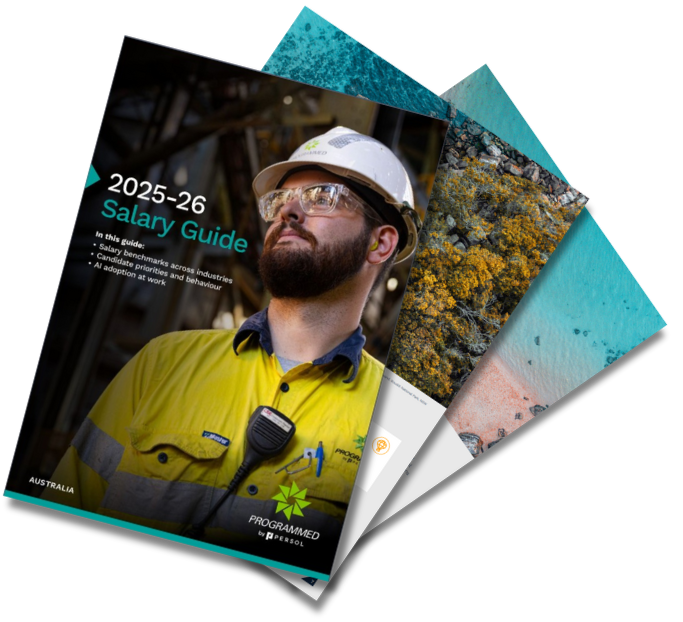
Whether you’re comparing job offers or benchmarking pay for your workforce, the 2025-26 Salary Guide covers current rates across Australian trades and industrial roles.
Download the 2025-26 Salary Guide →