Why investing in skilled trades is critical to the future of resources
For Australia’s energy and resources sector, having the right people to maintain critical assets is just as important as having the right equipment, systems and technology.
Yet the skilled trades workforce is under increasing pressure.
Almost half of Australia’s trade occupations remain in shortage, while Infrastructure Australia forecasts a shortfall of around 126,000 trades workers and labourers by 2027.
At the same time, the workforce is ageing. Around one in five Fitters and Machinists, and almost one in five Structural Steel and Welding Trades Workers, are already aged 55 or over.
For resources businesses, this challenge goes beyond filling today’s vacancies. As experienced tradespeople leave the workforce, industry also risks losing decades of practical knowledge and experience at a time when demand for skilled maintenance continues to grow.
The workforce challenge starts well before a vacancy
Building a sustainable skilled workforce requires more than recruiting when a position becomes available. It means creating pathways into the industry, developing capability, and giving people opportunities to build long-term careers.
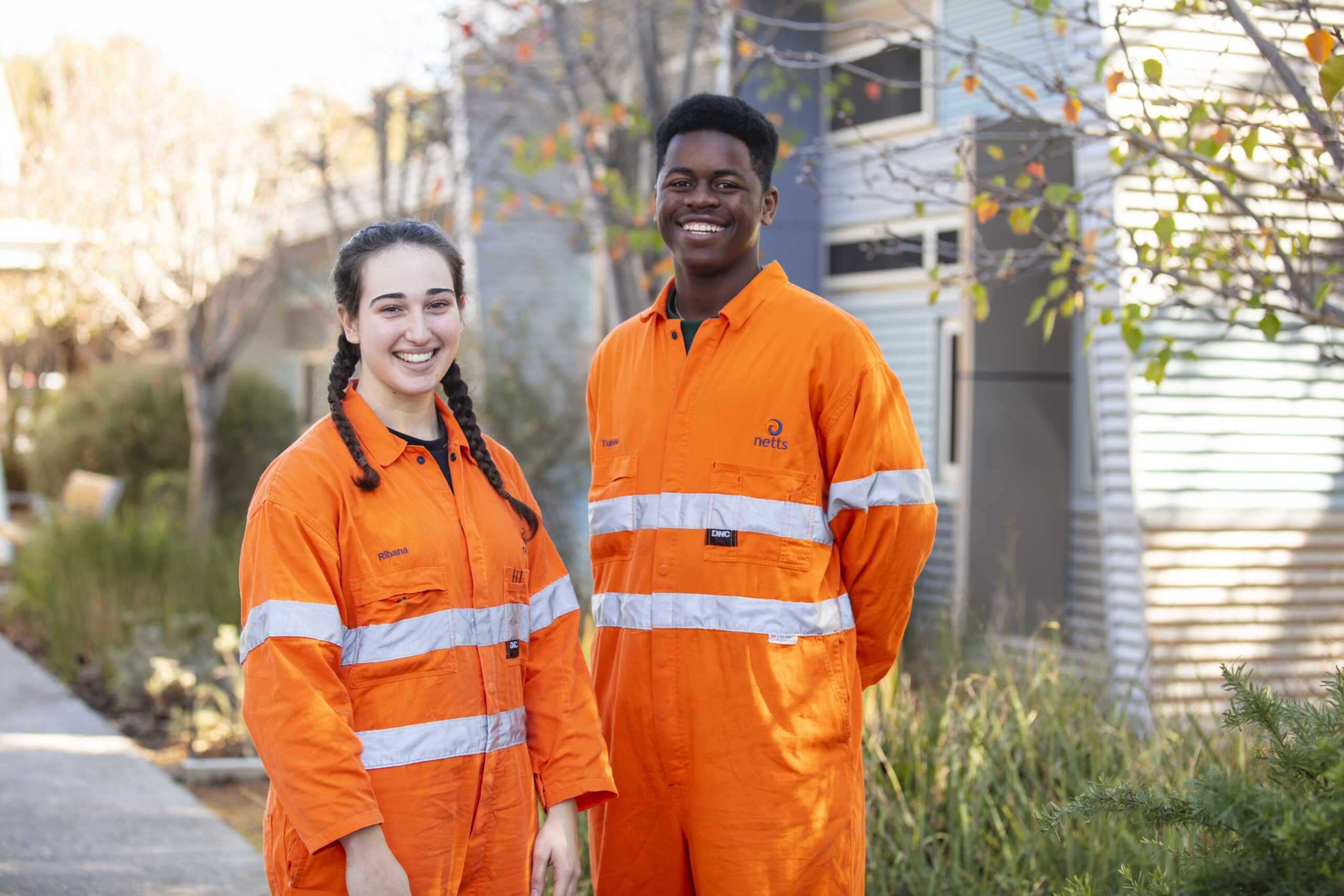
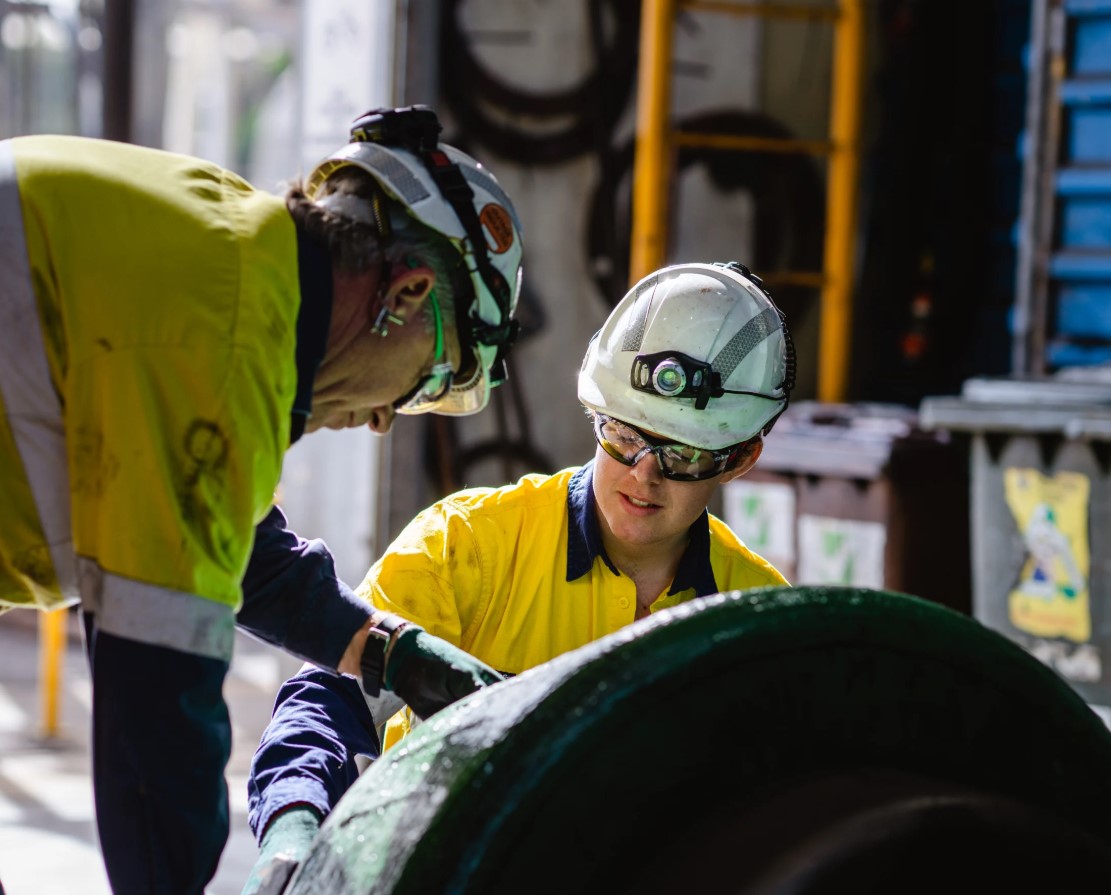
Apprenticeships and traineeships play an important role in this process. They combine formal qualifications with practical experience and provide an opportunity to learn directly from experienced tradespeople.
For employers, the benefit extends beyond gaining another qualified worker. It is an opportunity to develop people who understand the technical requirements, safety expectations and operational realities of working in complex environments.
As Dean Archbold, Executive General Manager of Programmed Energy & Resources, explains:
‘I believe our responsibility extends beyond delivering for our customers today – we must invest in and develop the next generation of skilled tradespeople. Training and fostering young talent is critical to the future of our industry, the strength of our workforce and, ultimately, the continued success and prosperity of our nation.’
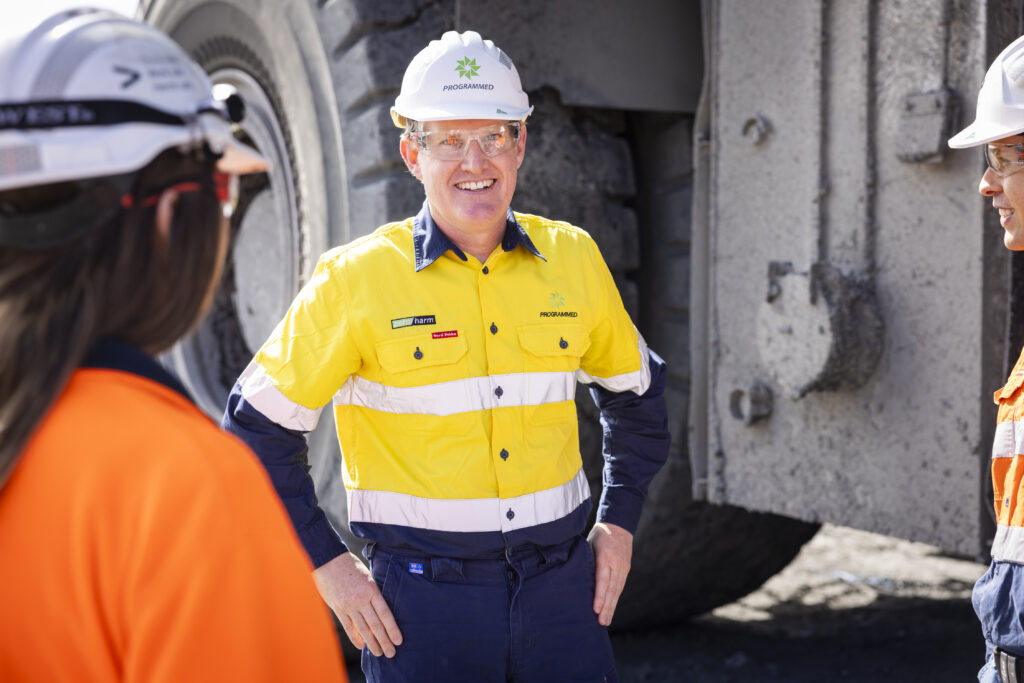
At Programmed Energy & Resources, this commitment is reflected in the scale of our apprenticeship and traineeship programs. We support more than 1,500 apprentices and trainees each year, alongside a permanent workforce of qualified trades professionals delivering production, operations, shutdown and project maintenance across customer operations and through locally based workshops throughout Australia.
But developing capability does not stop when someone completes their qualification.
From a trade, to a leader
A sustainable workforce also needs clear opportunities for people to develop their skills, take on greater responsibility and progress their careers.
Jarrod’s career is one example.
After starting his career as a boilermaker with Programmed, Jarrod progressed into supervision and is now a Site Superintendent, leading skilled tradespeople and overseeing maintenance delivery at a major energy customer site.
‘Programmed has supported my career journey by providing opportunities to work across key customer sites and take on greater leadership responsibilities, ultimately leading to my appointment as Site Superintendent.
Providing career progression and upskilling opportunities is essential to building a highly skilled and capable workforce. Investing in our people strengthens our workforce and positions us to deliver strong performance well into the future.’
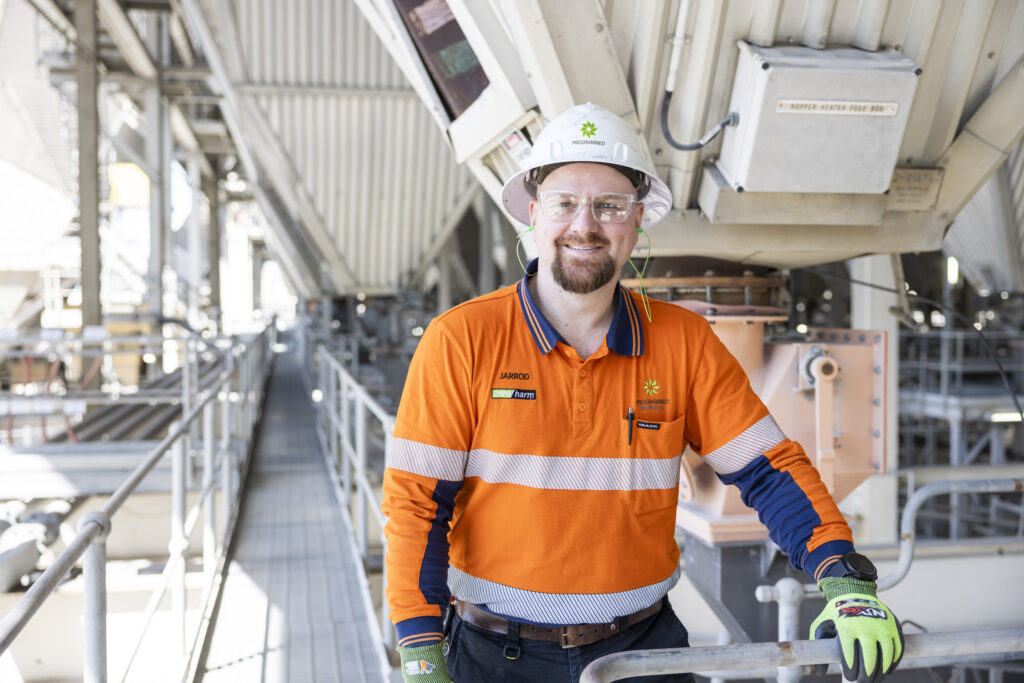
Career pathways like this are important for individuals, but they also strengthen the capability available to customers. Experienced tradespeople can develop into supervisors and leaders who understand both the technical side of maintenance and the operational environments in which their teams work.
Preparing for a more technology-enabled workforce
The nature of resources operations is also changing.
Artificial intelligence, automation and digital technologies will increasingly influence how businesses plan, monitor and maintain their assets. Rather than reducing the need for skilled tradespeople, these technologies are likely to change how people work and the capabilities they need.
For maintenance trades, there will continue to be strong demand for people who can diagnose issues, make decisions, solve problems and work safely in complex and often unpredictable environments.
The opportunity is to develop tradespeople who can combine those practical skills with digital capability and adapt as technology evolves.
That means workforce development needs to extend beyond the qualification itself. It needs to prepare people for the environments in which they will work throughout their careers.
Creating pathways into resources at scale
The need to build capability is not limited to traditional maintenance trades.
Across the resources sector, businesses need sustainable pathways that bring new people into the industry and give them the skills and experience required to build long-term careers.
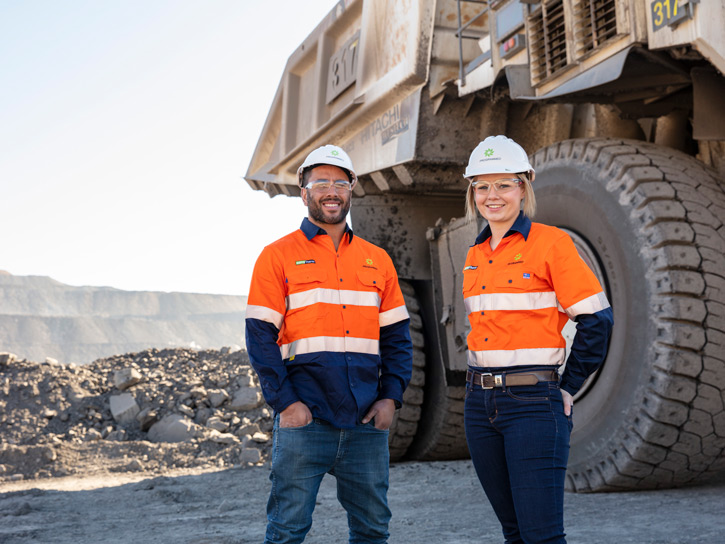
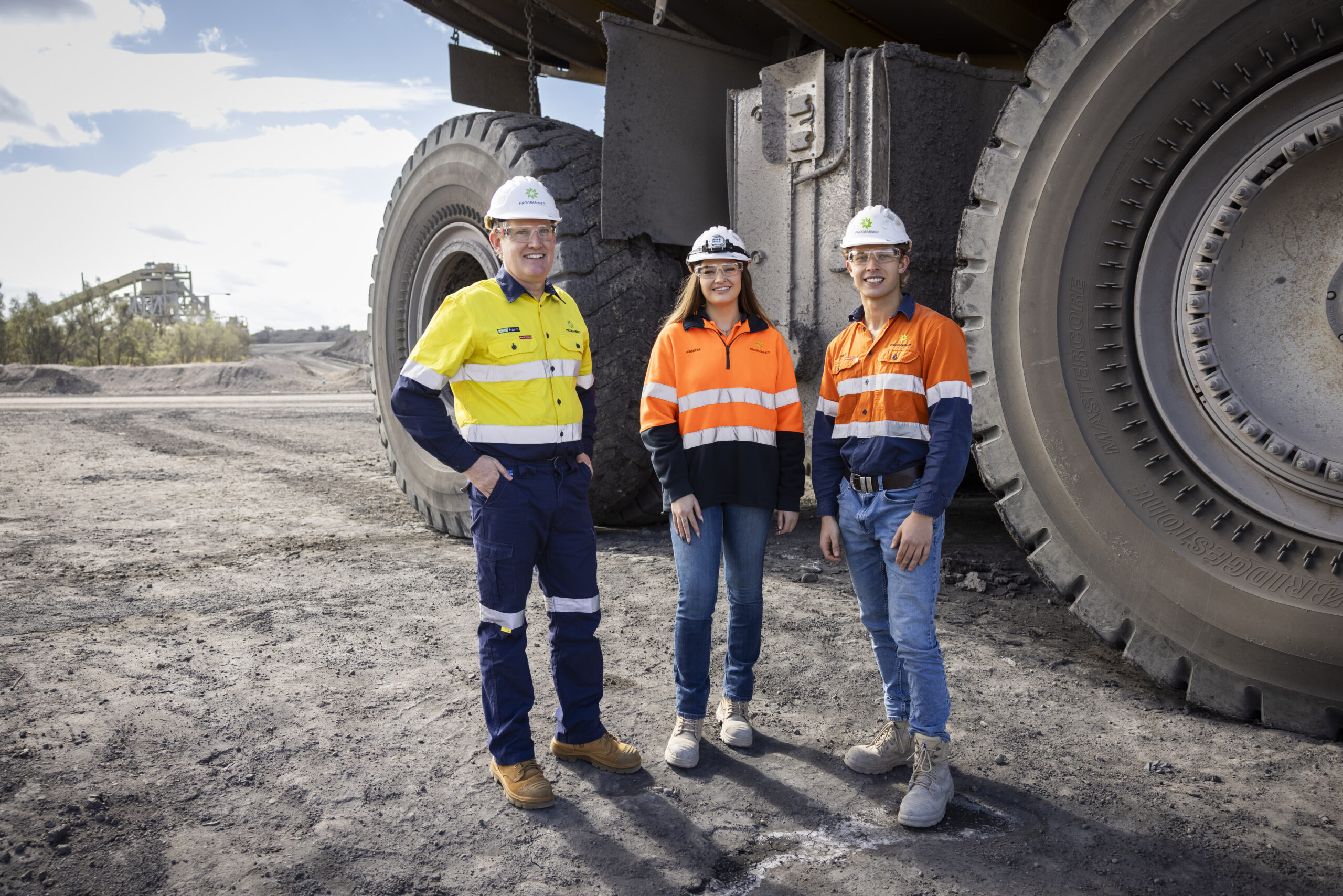
Programmed’s two-year haul truck operator traineeship is one example. The program supports more than 150 people each year as they develop the skills and qualifications needed to progress into operator roles across the resources sector.
Jennifer’s experience demonstrates the impact these pathways can have.
Reflecting on her progression from trainee to qualified haul truck operator, she said:
‘It’s just surreal. I can’t believe I do this for a job. It’s an incredible feeling and I’m probably most proud of finishing my traineeship, becoming a certified operator and being part of the community.
The mines give a lot back to the community and support everyone. Being a female in such a male-dominated industry is also a great feeling – it shows that women can do this too.’
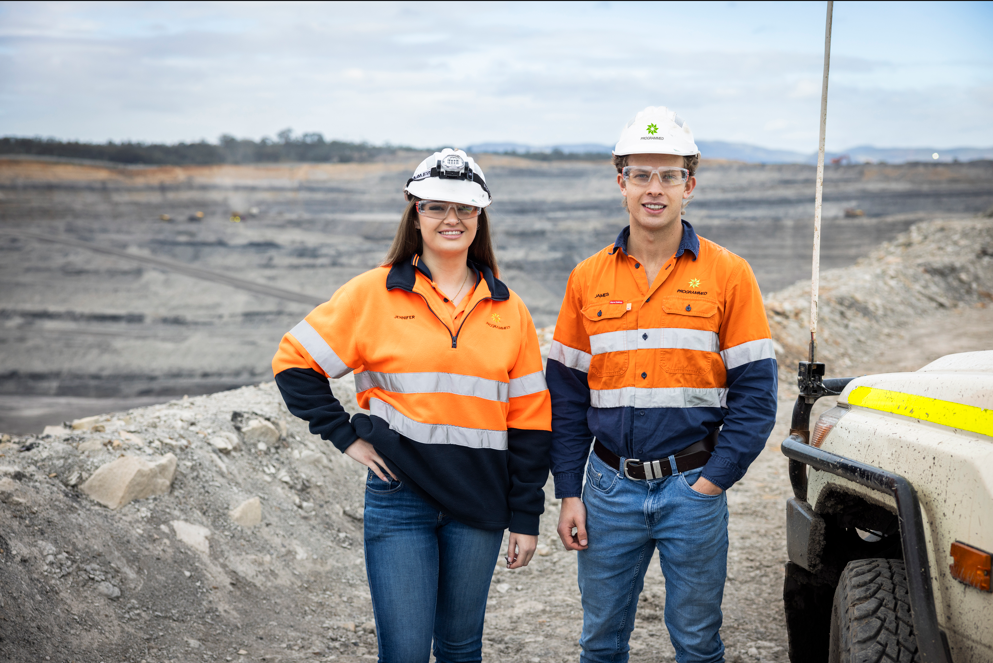
While haul truck operations are different from maintenance, the underlying principle is the same. Building a sustainable workforce starts with creating opportunities, providing practical experience and supporting people to develop their careers.
Programmed places more than 32,000 people into work each year across Australia and New Zealand and supports more than 10,000 customers. This experience gives us a broad understanding of what it takes to attract, develop and retain the people industry needs.
Looking beyond today’s workforce requirements
For resources businesses, workforce planning cannot stop at today’s requirements.
The industry continues to evolve, with growth across areas including renewables, critical minerals and new infrastructure alongside established resources operations.
As assets and technologies change, so too will the skills required to maintain them.
For customers, this makes workforce development an increasingly important part of long-term operational planning. The tradespeople being developed today may be the supervisors, specialists and maintenance leaders responsible for critical assets five, 10 or 20 years from now.
That is why building capability should be viewed as a long-term investment rather than simply a response to an immediate skills shortage.
Investing in the workforce that will maintain tomorrow’s assets
Australia’s skilled workforce challenge will not be solved through recruitment alone.
Industry needs to continue investing in apprenticeships, traineeships, upskilling, knowledge transfer and career progression. This helps valuable experience pass between generations while creating opportunities for the next.
For Programmed Energy & Resources, developing this capability is part of our broader role in supporting customers with the people, skills and expertise required to keep critical operations moving.
Because maintaining the assets of tomorrow starts with developing the people who will maintain them.
Explore how Programmed Energy & Resources can support your maintenance requirements and help build a workforce ready for what’s next.