High-volume labour hire operations have always required fast, flexible communication between consultants and workers. Shifts change. Workers call in sick. Sites call for additional coverage at short notice. The system that handles this — primarily phone calls and text messages, often outside business hours — has worked operationally for years. It is now a compliance risk. The right to disconnect, combined with long-standing award obligations around rostering and on-call arrangements, means that after-hours shift communication needs to be managed deliberately, not just habitually.
This article is a practical guide for operations managers and HR teams at labour hire providers and host employers. It covers what award rostering requirements already apply (and have always applied), how the right to disconnect layers on top of them, where on-call arrangements are required, and how to build a compliant shift notification process that still delivers the flexibility both sides need.
Programmed’s MSP and people solutions service includes workforce technology infrastructure for shift management at scale, including compliant communication frameworks. Learn more about MSP and people solutions.
Key takeaways
- Award rostering obligations — minimum notice for shift changes, rest requirements, short-notice premiums — predate the right to disconnect and are already enforceable. Many operations are non-compliant with these requirements before the right to disconnect is even considered.
- Using text messages and phone calls to offer shifts outside rostered hours is not a compliant substitute for a formal on-call arrangement with the applicable allowance paid.
- Rostering technology that lets workers indicate availability and accept shift offers in their own time reduces after-hours contact friction and creates an audit trail.
Award rostering requirements: what already applies
Before the right to disconnect existed, most modern awards already contained provisions governing how shifts can be changed and communicated. These are not new obligations, but they are frequently overlooked in high-volume operations where short-notice changes are treated as normal. Common award rostering provisions include:
- Minimum notice for shift changes: many awards require a minimum of 24 to 48 hours notice before a shift can be changed or cancelled. Changes made with less notice may entitle the worker to additional pay for the inconvenience or to refuse the change without penalty.
- Short-notice premiums: some awards require an additional loading or penalty rate where a worker is called in with less than the prescribed notice — distinct from the ordinary penalty rate applicable to the shift.
- Rest between shifts: awards typically require a minimum rest period between consecutive shifts (commonly 8 to 10 hours). Rostering that does not allow adequate rest is a breach regardless of whether the worker agrees to the arrangement.
- Roster change consultation: where a fixed roster is in place, changes to that roster may require consultation with the affected employee before the change takes effect.
Check the specific provisions in the award or enterprise agreement that covers the relevant classification. The obligations vary between awards, and some classifications are covered by instruments with more or fewer rostering protections than others. For an overview of how to check award rates and conditions for labour hire workers, see our article on award rates and labour hire.
On-call and availability: when an allowance is required
On-call arrangements are a distinct category from rostered shifts. A worker who is required to remain available to attend work at short notice — even if they are not physically at the workplace — is on call. Most awards require an on-call allowance to be paid for this availability, separate from any payment for hours actually worked if a call-out occurs.
The compliance problem in labour hire operations is informal on-call. This is what happens when workers are not formally rostered for an on-call arrangement, not paid an on-call allowance, but are expected to be reachable and to respond to shift offers at short notice. If a consultant routinely contacts a group of workers after hours asking who is available tomorrow, and workers who do not respond stop receiving offers, the workers are functionally on call — without the legal framework or compensation that entails.
The right to disconnect makes informal on-call untenable. Workers now have a legal basis to ignore after-hours contact, and disadvantaging them for doing so is a breach of their general protections. If availability outside rostered hours is genuinely operationally necessary, it needs to be structured as a proper on-call arrangement.
Building a compliant shift notification process
The goal is to communicate shift offers and changes in a way that respects workers’ right to disconnect, satisfies award rostering obligations, and still gives operations the coverage flexibility they need. This requires building a process, not just issuing a policy statement. The key elements:
- Advance planning as the default: the roster for the coming week should be communicated to workers during business hours, as far in advance as operationally possible. Treat 48 hours advance notice as the minimum target, not the exception.
- Defined contact windows: establish the hours during which the business will make shift-related contact with workers. Communicate these clearly to workers. Outside these windows, contact should be reserved for genuine emergencies only.
- Opt-in availability pools: workers who want additional shifts can register availability in advance through a system or with their consultant during business hours. Shift offers are then made from this pool within contact window hours, rather than through ad hoc after-hours outreach.
- Emergency escalation protocol: define what constitutes a genuine operational emergency that justifies after-hours contact, who authorises the contact, and how it is documented. Limiting the definition protects both the worker and the business.
- Documentation: keep records of shift offers made, methods of communication, times, and worker responses. This is your audit trail if a dispute arises.
The role of workforce management technology
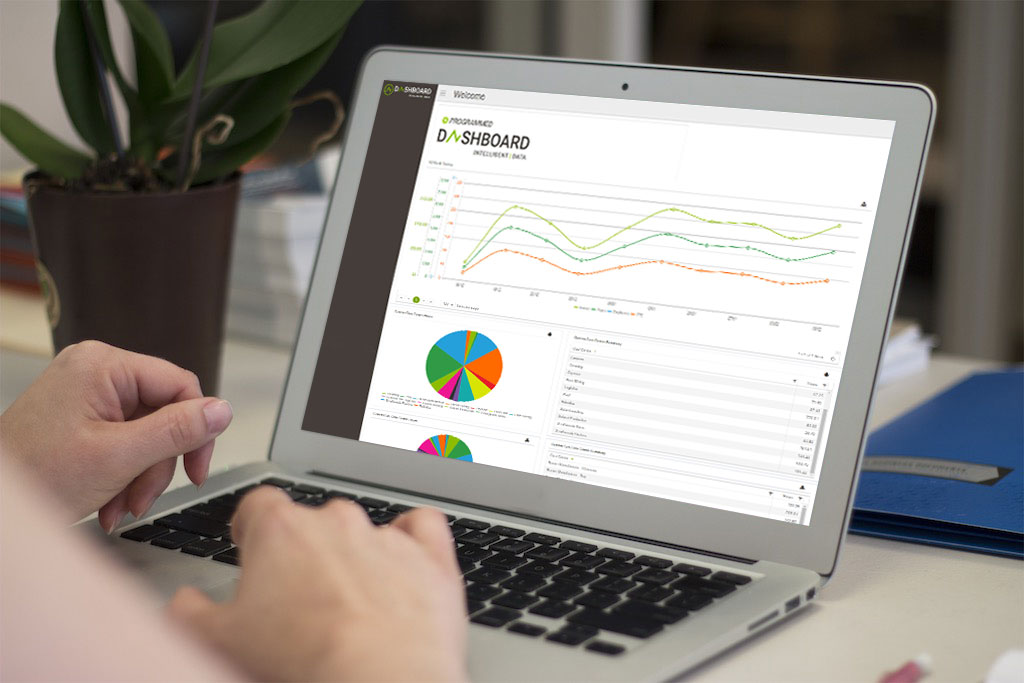
Workforce management (WFM) and rostering platforms offer a structural solution to the after-hours contact problem. Rather than a consultant calling or texting individual workers, a shift offer is pushed through an app or platform. Workers can view the offer and accept or decline at a time that suits them — including within their own defined availability hours — without the contact being one-to-one and intrusive.
The technology does not eliminate the compliance question — you still need to configure notification settings appropriately, and workers still have the right to disconnect from platform notifications outside working hours. But it changes the nature of the contact. An app notification that a worker can respond to in the morning is meaningfully different from a phone call at 10pm, and a Fair Work Commission assessor would likely view them differently under the reasonableness test.
Key technology considerations for compliance:
- Configure quiet hours in the platform to suppress push notifications outside defined contact windows.
- Ensure the platform captures timestamps for when offers are made and when workers respond — this is your audit trail.
- Workers should be able to set their own availability in the platform rather than relying on ad hoc contact from consultants.
- Automate offer escalation — if no worker accepts within a defined period, escalate to the next tier, rather than blasting all available workers at once.
For context on the right to disconnect framework and why shift workers are particularly exposed, see our article on right to disconnect and shift workers in labour hire.
What host employers should ask their providers
If you are a host employer relying on a labour hire provider for shift-based coverage, you have an interest in how your provider manages after-hours contact — both because the compliance obligation sits with the provider and because your operational demands shape the contact frequency. Ask your provider:
- What hours do consultants make contact with workers for shift offers and changes?
- Are workers who are expected to be available outside rostered hours paid an on-call allowance?
- What rostering or WFM platform do you use, and how are notification quiet hours configured?
- How do you document shift offers and worker responses?
If your provider cannot answer these questions clearly, that is a signal that their contact practices have not been reviewed against the current framework.
Related reading
W42-01: Right to Disconnect and Shift Workers: What Labour Hire Employers Need to Know
Related services
MSP and People Solutions — contingent workforce management including workforce technology, rostering governance, and compliance infrastructure for high-volume operations.
Managed Skilled Workforce — structured shift-based labour hire delivery with compliant communication and rostering practices built in.
FAQ
Does the award rostering notice requirement apply to casual workers?
It depends on the award and the nature of the engagement. Many awards distinguish between rostered casuals (who may have some notice entitlements for shift changes) and true casual engagements where each shift is a separate engagement. If your workers are consistently rostered in advance and treated as part of ongoing operations, check whether the award treats that as a rostered arrangement with associated notice obligations — regardless of the casual label on the contract.
We operate a 24/7 site. How do we manage genuine last-minute coverage without after-hours contact?
The answer is forward planning and on-call arrangements, not prohibition on all after-hours contact. For a 24/7 operation, you need a formal on-call pool with the applicable allowance paid for workers who are available for short-notice coverage. Outside that pool, after-hours contact should be genuinely exceptional. The right to disconnect does not prevent all contact — it prevents routine contact without compensation. Structure the arrangement properly and the compliance risk reduces significantly.
Can we include an availability requirement in the employment contract?
A contract can describe on-call arrangements, availability windows, and compensation for availability. It cannot contract out of the right to disconnect — an agreement that purports to require the worker to always be reachable outside working hours, without compensation and without the worker being able to refuse, is unlikely to be enforceable against a worker who invokes their Fair Work Act rights. Structure availability as a compensated, defined arrangement — not a blanket term in a standard contract.
What records should we keep to defend against a right-to-disconnect dispute?
Document the time and method of every shift communication made to workers, the reason for the contact (routine offer, urgent coverage, genuine emergency), and the worker’s response or non-response. If you have defined contact hours, record that workers were informed of those hours. If an after-hours contact occurred because it was a genuine emergency, document what made it urgent. This record shows a court or the Fair Work Commission that contact was purposeful and managed, not habitual and unlimited.
Next step
Review your shift communication practices against the framework in this article. If consultants are routinely contacting workers after hours for non-emergency shift offers, and workers are not being paid on-call allowances, you have a compliance gap that needs to be addressed now. Talk to Programmed about workforce technology and process design that gives you operational flexibility without the right-to-disconnect exposure.
Talk to us about MSP and people solutions.
General information only: This article is for general informational purposes only and does not constitute legal advice. Legislation varies by state and territory — consult a qualified employment lawyer or Fair Work adviser for guidance specific to your situation.

Know the Market Rate
Whether you’re comparing job offers or benchmarking pay for your workforce, the 2025-26 Salary Guide covers current rates across Australian trades and industrial roles.
Download the 2025-26 Salary Guide →