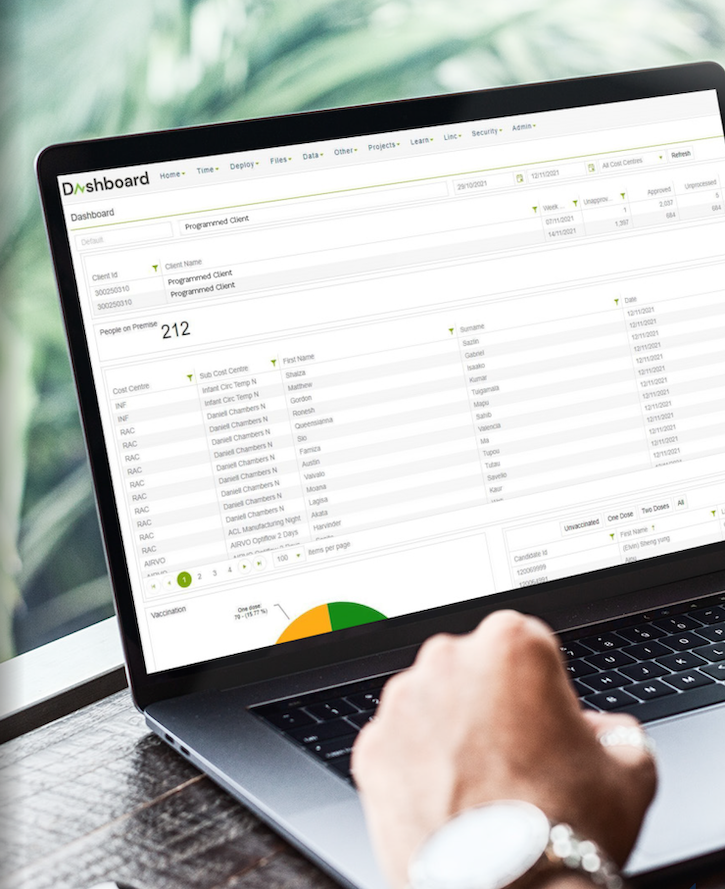
Most contingent workforce dashboards fail for one reason: they track too much data and too little meaning. A useful dashboard should help procurement, HR and operations act faster, not just observe activity.
This article outlines a practical KPI set for contingent workforce programs and supplier panels.
Need clearer workforce visibility? Learn more about MSP and people solutions.
Key takeaways
- Start with a small KPI set tied to decisions, not vanity reporting.
- Use the same dashboard to support both supplier governance and internal approvals.
- Segment results by site, role family and supplier to spot real patterns.
Starter KPI set
- Time-to-fill: approved request to accepted placement.
- Fill rate: percentage of demand fulfilled within agreed timeframe.
- Time-to-submit: how quickly suppliers respond with suitable candidates.
- Onboarding cycle time: accepted to site-ready.
- Early attrition: first shift, first week or first month exits.
- Compliance pass rate: pre-start documentation completed correctly.
Governance KPIs to add
- supplier distribution share
- exception approvals
- unfilled demand ageing
- site-level forecast versus actual demand
- safety or incident trend indicators where relevant
How to make the dashboard usable
- Keep one executive summary view and one operational detail view.
- Show trends over time, not one-off snapshots only.
- Use role-family and site filters so teams can see where action is needed.
- Pair metrics with owners and review cadence.
What to avoid
- Too many metrics with no decision attached.
- No agreed definitions between procurement, HR and operations.
- Aggregating all roles together and hiding site differences.
- Using reporting as history only, not to influence approvals and planning.
Related reading
For a closely related guide, read Recruitment Metrics That Matter.
Related services
FAQ
What is the most important KPI to start with?
Usually time-to-fill, because it exposes demand quality, approval friction and supplier responsiveness at the same time.
How often should the dashboard be reviewed?
Operational metrics should usually be reviewed weekly, with broader supplier and program performance reviewed monthly or quarterly.
Next step
If you want better contingent workforce visibility and governance, explore MSP and people solutions.
General information only: this article provides general information and is not legal advice.

Know the Market Rate
Whether you’re comparing job offers or benchmarking pay for your workforce, the 2025-26 Salary Guide covers current rates across Australian trades and industrial roles.
Download the 2025-26 Salary Guide →